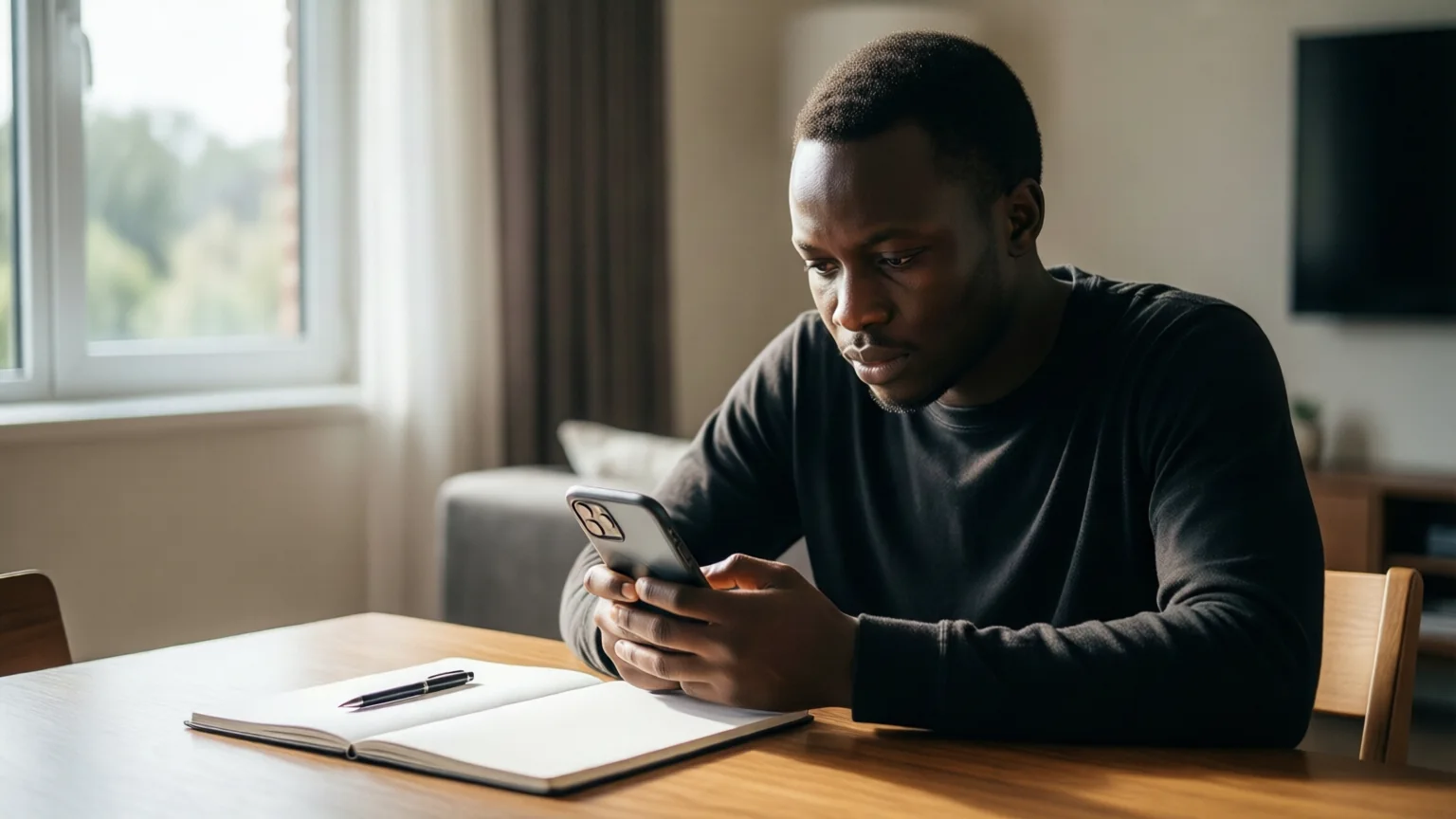
Mobile casinos have become a popular pastime in Kenya, offering convenience and a wide range of games. However, playing on your phone also introduces risks such as account hacking, phishing, and overspending. This guide provides practical steps to protect your account and control your bankroll, helping you enjoy mobile gaming safely and responsibly.
Secure Your Device First
Your phone is the gateway to your casino account. If it's compromised, so is your money. Start with these basics:
- Use a strong lock screen: Set a PIN, password, or biometric lock (fingerprint or face recognition). Never leave your phone unlocked.
- Keep your OS and apps updated: Updates often include security patches. Enable automatic updates where possible.
- Install apps only from official stores: Download casino apps only from Google Play, the App Store, or the operator's official website. Sideloading APKs can install malware.
- Use a reputable mobile security app: A good antivirus can detect malicious software and phishing attempts.
- Avoid rooting or jailbreaking: These remove built-in security protections and make your device vulnerable.
Password Hygiene: Your First Line of Defense
A weak password is an open invitation. Follow these rules:
- Create a unique password for your casino account—do not reuse passwords from email or social media.
- Use a long passphrase (at least 12 characters) mixing letters, numbers, and symbols.
- Enable two-factor authentication (2FA) if the casino offers it. This adds a second verification step, usually via SMS or an authenticator app.
- Change your password periodically and immediately if you suspect any compromise.
- Use a password manager to generate and store complex passwords securely.
Spotting Phishing Attempts
Phishing is when scammers pretend to be a legitimate casino to steal your login details or personal information. Be alert for:
- Emails or SMS asking you to verify your account urgently, often with a link.
- Offers that seem too good to be true, like free money or huge bonuses with no conditions.
- Links that look slightly off—for example, a domain like "shavaa-bet.com" instead of the official one.
- Poor grammar or generic greetings like "Dear customer" instead of your name.
If you receive a suspicious message, do not click any links. Instead, contact the casino's official support through their website or app, and report the attempt.
Public Wi-Fi: A Hidden Danger
Public Wi-Fi networks in cafes, hotels, and airports are convenient but insecure. Hackers can intercept data on these networks, including your login credentials and payment details. To stay safe:
- Avoid logging into your casino account or making deposits while on public Wi-Fi.
- Use a VPN (Virtual Private Network) to encrypt your connection if you must use public Wi-Fi.
- Turn off auto-connect to open networks on your device.
- Prefer mobile data (4G/5G) over public Wi-Fi for sensitive transactions.
Account Verification: Why It Matters
Most reputable casinos require you to verify your identity—a process known as KYC (Know Your Customer). This usually involves submitting a government-issued ID, proof of address, and sometimes a selfie. While it might feel intrusive, verification serves several purposes:
- Prevents fraud by ensuring that the account belongs to you.
- Protects against money laundering and underage gambling.
- Ensures you can withdraw winnings without delays, as casinos often block withdrawals until verification is complete.
Always complete verification with accurate information. If you provide false details, your account may be suspended, and funds could be lost.
Keep Transaction Records
Maintaining a record of your deposits and withdrawals is essential for both security and responsible gambling. Here's how:
- Save deposit and withdrawal confirmations (emails, SMS, or screenshots) in a secure folder.
- Review your bank and M-Pesa statements regularly to spot any unauthorized transactions.
- Reconcile your records with the casino's transaction history in your account.
- If you notice a discrepancy, report it immediately to the casino's support and your payment provider.
Bankroll Limits and Responsible Gambling Tools
Controlling your spending is just as important as securing your account. Most reputable casinos offer tools to help you stay within your limits:
- Deposit limits: Set a maximum amount you can deposit daily, weekly, or monthly.
- Loss limits: Cap the amount you can lose in a session or period.
- Session time limits: Remind yourself to take breaks or end play after a set time.
- Reality checks: Pop-up notifications that show how long you've been playing and your net losses.
To set these limits, visit the responsible gambling or account settings section of your casino. If the casino does not offer such tools, consider that a warning sign.
Cooling-Off and Self-Exclusion
If you feel your gambling is getting out of control, you can take a break:
- Cooling-off period: A short-term break (e.g., 24 hours to a few weeks) where you cannot access your account. This helps you step back and reassess.
- Self-exclusion: A longer-term ban, usually from six months to several years, where the casino closes your account and prevents you from reopening it. This is a serious step and should be used if you feel you have a gambling problem.
Both options are typically available through the casino's responsible gambling section. Remember, these tools are there to protect you—use them without shame.
Security Checklist: Quick Reference
Here's a quick checklist to run through before you play:
- [ ] My phone has a secure lock screen.
- [ ] My OS and apps are up to date.
- [ ] I have a unique, strong password and 2FA enabled.
- [ ] I avoid public Wi-Fi for gambling transactions.
- [ ] I verify my account with accurate documents.
- [ ] I keep transaction records and review them regularly.
- [ ] I have set deposit and loss limits.
- [ ] I know how to use cooling-off and self-exclusion.
Warning Signs of an Unsafe Casino
| Warning Sign | What It Means | What to Do | |--------------|---------------|------------| | No license or regulatory info | The casino may be operating illegally | Avoid playing; check for licensing on the official site | | Unrealistic bonuses and promotions | Could be a scam to lure you in | Read terms carefully; if too good to be true, it probably is | | Poor customer support | You may not get help when needed | Test support before depositing | | Unclear or delayed withdrawals | The casino may be holding your funds | Read reviews and check withdrawal policies | | No responsible gambling tools | The casino does not care about your well-being | Consider a different operator |
Frequently Asked Questions
What is the safest way to make deposits on a mobile casino in Kenya?
Use trusted payment methods like M-Pesa, which are widely used and offer transaction records. Always ensure you are on the official casino site or app, and avoid sharing your PIN or OTP with anyone.
Can I set deposit limits on my casino account?
Yes, most reputable casinos offer deposit limits in their responsible gambling settings. You can usually set daily, weekly, or monthly limits and adjust them, though increases may take effect after a cooling-off period.
What should I do if I suspect my account has been hacked?
Immediately change your password, enable 2FA if not already, and contact the casino's support. Also, check your transaction history for unauthorized activity and report it to your payment provider.
Is it safe to use public Wi-Fi for mobile gambling?
No, public Wi-Fi is insecure and can expose your data. Use a VPN if you must, but it's safer to use mobile data or a private network.
How do I self-exclude from a casino?
Go to the responsible gambling section of your account and follow the self-exclusion process. This will close your account for a specified period, and you will not be able to access it during that time.
Conclusion
Mobile casino gaming in Kenya can be enjoyable and safe if you take the right precautions. Start by securing your device, using strong passwords, and enabling 2FA. Be vigilant against phishing and avoid public Wi-Fi for sensitive transactions. Complete account verification, keep transaction records, and use the responsible gambling tools available to you. If you ever feel your gambling is becoming a problem, remember that cooling-off and self-exclusion are always options. For more guidance on choosing a trustworthy platform and understanding safer play, you can Shavaa guide. Stay safe, play responsibly, and always keep control of your gaming experience.